
The Role of Primer in Achieving Quality Paint Jobs
When you’re preparing for an interior painting project, choosing the right materials is crucial. One key component often overlooked is primer. Primer forms the foundation of a great paint job, ensuring the paint adheres well to the surface. It also helps cover imperfections and provides a uniform base for color application. Understanding its importance can save you time and improve the appearance of your walls.

Benefits of Using Primer Before Painting
Applying primer before painting offers numerous benefits. Primers seal porous surfaces, preventing uneven absorption of paint. This leads to a consistent and vibrant finish. Additionally, primers enhance paint adhesion, reducing peeling or chipping over time. For those using interior painting services, discussing primer options ensures a smoother and more durable result.
Common Issues Without Proper Priming
Skipping primer can lead to several issues in your painting projects. Without it, paint may peel or blister, especially on new drywall or repaired areas. Stains and marks might bleed through, affecting the final look. To avoid these problems, ensure your painter includes priming as part of their interior painting services.
Steps to Apply Primer Effectively
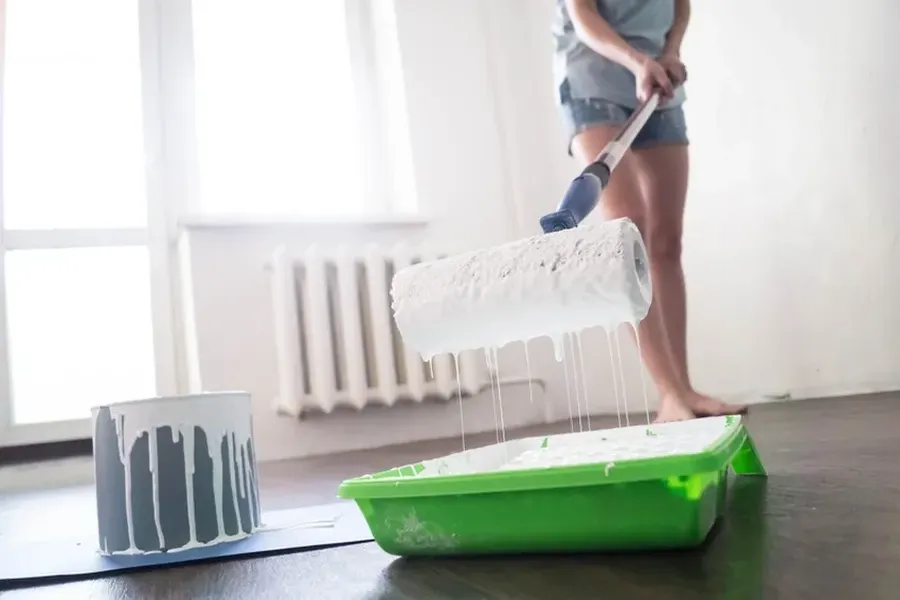
Proper application of primer is essential to achieve the best results. Follow these steps for effective priming:
- Clean the surface thoroughly to remove any dust or grease.
- Fill cracks or holes with filler material and sand smooth once dry.
- Choose the right type of primer for your surface-use oil-based for wood and water-based for plaster.
- Stir the primer well before applying with a brush or roller.
- Allow adequate drying time as recommended by the manufacturer.
Tips for Selecting the Right Primer
Selecting the correct primer involves considering several factors. First, evaluate the surface you’re working on-some materials require specific primers for optimal adherence. Second, consider the type of paint you’ll use; not all primers work well with all paints. Third, check if your chosen primer has stain-blocking properties if you need to cover stubborn stains or odors.
Industry Standards for Priming
Priming standards ensure quality and efficiency in paint jobs. Adhering to these guidelines guarantees that each layer of paint performs as expected. The industry recommends using primers specifically designed for certain surfaces, like drywall or wood. Keeping up with advancements in primer technology can lead to cost savings and improved outcomes in your home improvement projects.
Cost Considerations When Using Primer
The upfront cost of primer adds to the overall budget but provides long-term value. By improving paint adhesion and durability, primers extend the life of your paint job, reducing future maintenance costs. Investing in good-quality primer minimizes repaint frequency and maintains a fresh look longer.
Your Path to a Flawless Finish
Understanding why primer matters in interior painting projects allows you to make informed decisions about your home’s décor. A well-primed surface results in even color distribution and extended paint life, making it an essential step in any painting endeavor. Located in Spartanburg, SC, our team at Blue Eagle Painting specializes in helping you achieve perfect finishes every time. Call us today at (864) 383-8115 to learn how we can assist with your next project.